
RABIES: When "No Bite" Doesn’t Mean "No Risk”
2026-09-02 · 2 min read
An 11-year-old boy in Ontario, Canada died from rabies after an encounter with a bat. The boy was at a cottage when he woke up to find a bat on his face—near his nose and mouth. He swatted it away. His father removed the bat.
There were no signs of a bite or scratch. The family didn’t think to go to the doctor. The bat didn’t seem sick. No one thought there was a problem.
19 Days later the boy started showing signs that something was wrong.
He had:
- Tingling and numbness on the side of his face
- Swelling around his face
- Vomiting
- Pain when swallowing
- A steady decline in brain and nerve function
At first doctors thought it might be Bell’s palsy.. The symptoms grew worse. The picture became unmistakable. Rabies was suspected.
Lab tests confirmed it.
With aggressive treatment and full ICU care the boy got worse.
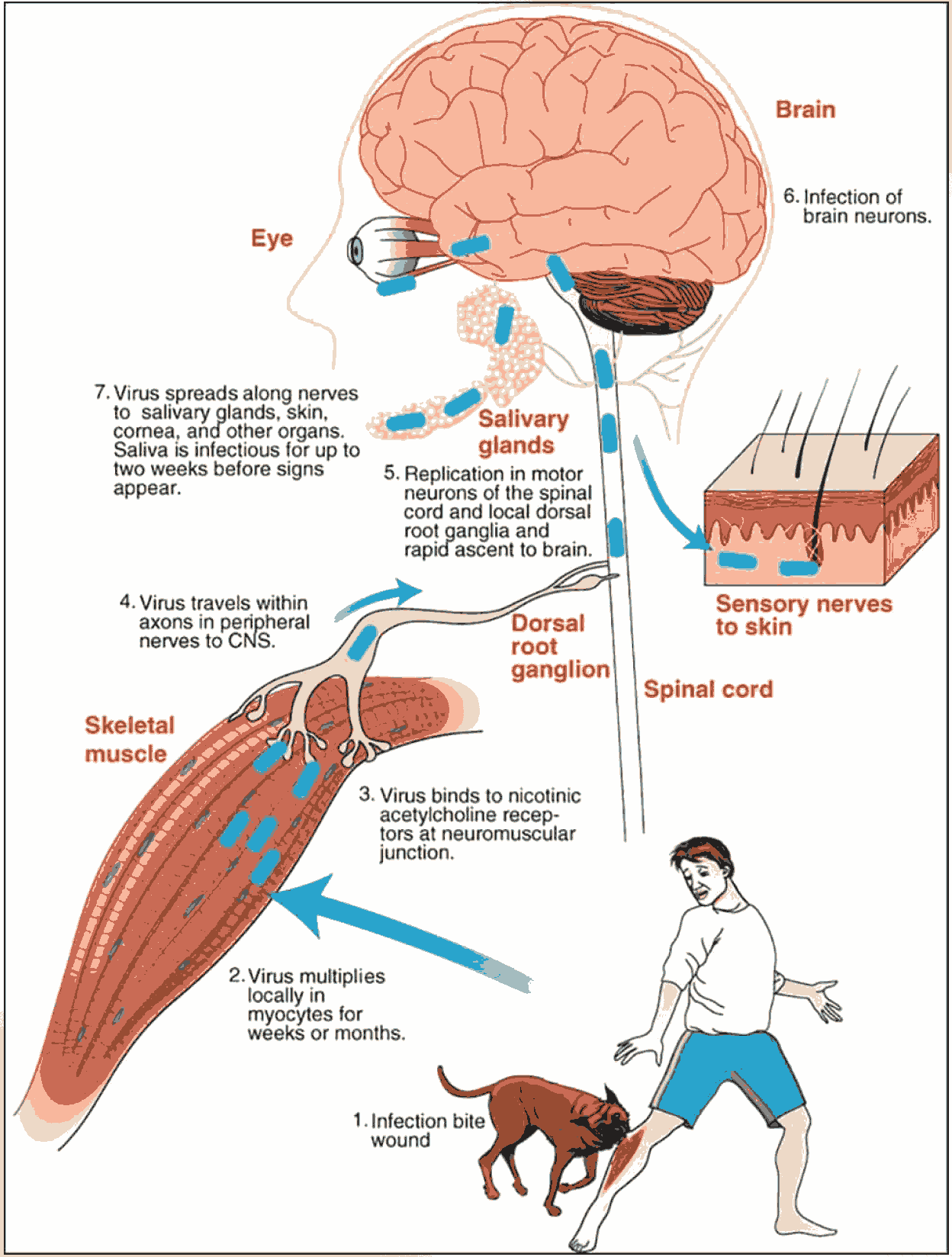
##🧠 The important clinical lesson
Rabies can be contracted without a bite.
Bats have teeth. A bite can be so small it leaves no mark. If a bat touches your face your mouth, your eyes or any broken skin—this counts as exposure.
It doesn’t matter if the bat looks healthy. It doesn’t matter if you don’t see a wound. The risk is real.
Once symptoms appear rabies is almost always fatal.
Here’s the key:
💉 Rabies can be prevented—before symptoms start.
If there’s a chance of exposure— with a bat or any animal like dogs, cats etc—seeing a doctor right away is crucial.
Rabies post-exposure prophylaxis (PEP) works. It’s highly effective if given early.
Take-home message:
🐾 Don’t wait for a bite mark.
🩺 Any direct contact with a bat—, around the head or face—needs medical attention.
📚 Case published in CMAJ, 2026.
— MedMutant
.